
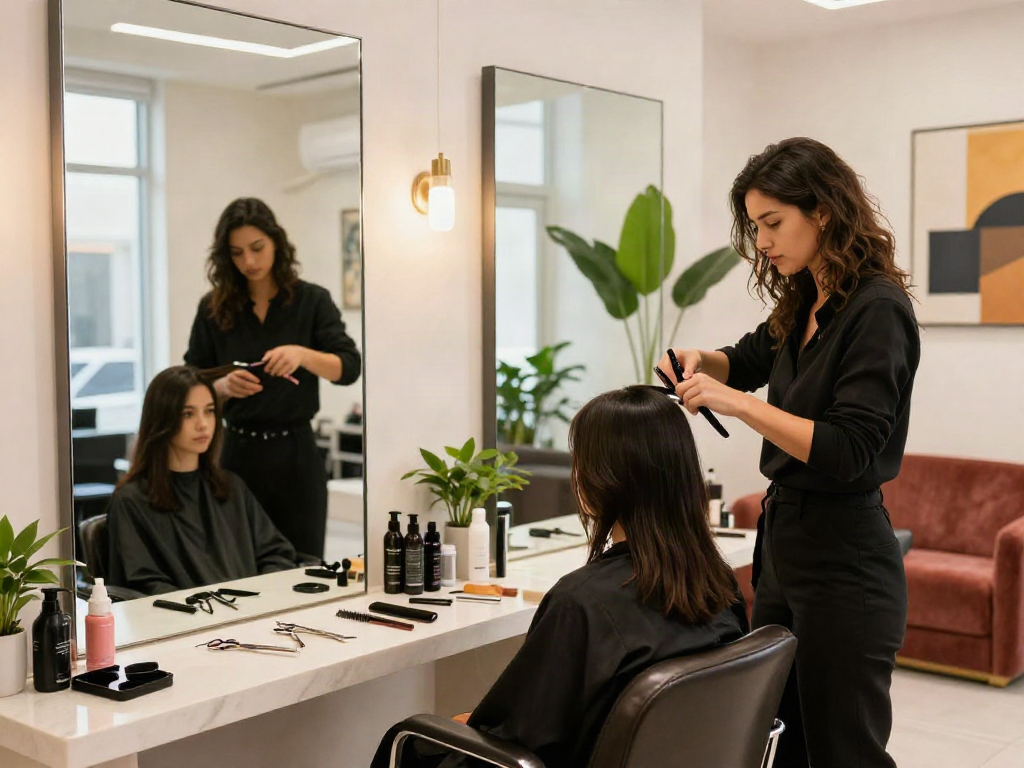
The Future of Hair Styling in 2026
The hair styling industry is rapidly evolving, influenced by emerging trends and technologies that are shaping how salons operate and how customers choose their services. As we look toward 2026, understanding the future landscape of hair styling is imperative for salon owners, stylists, and beauty enthusiasts alike. This article delves deep into the emerging trends, the integration of technology in salons, and sustainable practices that are becoming increasingly important in the industry.
For those interested in a forward-thinking approach to hair styling, https://carbonegroupparrucchieri.it/ offers comprehensive insights into how to navigate these changes effectively.
Emerging Trends in Hair Techniques
As fashion evolves, so does hair styling. In 2026, we expect to see several emerging techniques that revolutionize how stylists approach their craft:
- Textured Bobs: Short silhouettes with added texture are gaining popularity, as they offer versatility and manageability for clients.
- Bold Colors: Creative coloring techniques like balayage and vivid hues are becoming mainstream, appealing to a wider audience seeking individuality.
- Natural Styles: A shift towards embracing natural hair characteristics, such as curls and waves, invites stylists to create looks that enhance rather than alter a client's natural beauty.
Technology Integration in Salons
Advancements in technology are providing salons with tools that enhance the customer experience while streamlining operations. In 2026, expect to see:
- Online Consultations: Virtual consultations are becoming a norm, allowing clients to connect with stylists from the comfort of their homes.
- AI in Hair Color Matching: Artificial intelligence will assist in color matching, ensuring clients achieve their desired look with precision.
- Smart Scheduling Systems: Innovations in appointment booking will minimize wait times and improve overall customer satisfaction.
Sustainability in Hair Products
The salon industry is increasingly focused on sustainability. Hair care brands are developing eco-friendly products, using natural ingredients and recyclable packaging. Trends for 2026 include:
- Biodegradable Products: Many brands will offer products that decompose naturally, reducing environmental impact.
- Refill Stations: Salons are starting to implement refill stations for shampoos and conditioners to reduce plastic waste.
- Carbon Neutral Salons: More salons are committing to practices that offset their carbon footprint through various initiatives.
Understanding Customer Preferences
To thrive in the competitive hair styling market of 2026, an in-depth understanding of customer preferences is crucial. With the right approach, salons can tailor their services to meet the evolving needs of clients.
Analyzing Client Demographics
Recognizing the demographic profile of clients helps salons create targeted marketing strategies. Factors to consider include:
- Age Groups: Different age cohorts have distinct preferences; younger clients may favor experimental styles, while older ones might prioritize classic looks.
- Gender Trends: Gender-neutral hair services are on the rise, signaling a shift towards inclusivity.
- Income Levels: Understanding the income bracket of clients can guide salons in pricing their services effectively.
Impact of Social Media on Hair Trends
Social media platforms are pivotal in shaping hair trends. In 2026, salons must adapt their marketing strategies accordingly:
- Influencer Collaborations: Partnering with beauty influencers can amplify a salon's reach and attract new clients.
- Client Engagement: Actively engaging with clients through social media can foster loyalty and community.
- Visual Content: High-quality, visually appealing posts showcasing hair transformations are essential for attracting attention on platforms like Instagram and TikTok.
Personalization in Services
Personalized services have become paramount in the salon industry. Clients are seeking tailored experiences that reflect their unique needs:
- Custom Color and Treatment Services: Offering individualized consultations will enable stylists to recommend specific treatments based on hair type and texture.
- Loyalty Programs: Implementing loyalty rewards can encourage repeat visits and cultivate long-term relationships with clients.
- Feedback Loops: Establishing systems for gathering client feedback can refine services and enhance satisfaction.
Maximizing Salon Efficiency
Efficiency in salon operations is essential for maintaining profitability and ensuring a positive experience for clients. By adopting best practices, salons can streamline their processes and enhance service delivery.
Best Practices for Salon Management
Effective salon management involves a combination of strategic planning and operational excellence:
- Clear Communication: Regular meetings and updates promote transparency among staff, ensuring everyone is aligned with salon goals.
- Inventory Management: Keeping track of supplies can prevent shortages and help manage costs.
- Client Relationship Management (CRM): Utilizing CRM systems helps salons maintain detailed records of client preferences and appointments.
Streamlining Appointment Systems
Modernizing the appointment booking process can dramatically improve client experience:
- Online Booking: Allowing clients to book appointments online reduces phone call volume and enhances convenience.
- Automated Reminders: Sending reminders via text or email can reduce no-show rates and ensure appointments are honored.
- Flexible Scheduling: Offering flexible booking options can accommodate varying client schedules.
Training and Development for Staff
Investing in staff training is vital for delivering quality services:
- Skill Development: Regular training sessions keep stylists up-to-date with the latest trends and techniques.
- Customer Service Training: Emphasizing the importance of exceptional customer service can boost client satisfaction and retention.
- Team Building Activities: Fostering a positive work environment through team-building exercises can enhance collaboration among staff.
Building a Strong Salon Brand
Establishing a unique brand identity is critical for standing out in the hair industry. A strong brand can attract clients and create loyalty.
Creating a Unique Selling Proposition
A compelling unique selling proposition (USP) differentiates a salon from its competitors:
- Specialized Services: Offering niche services can attract specific clientele.
- Innovative Techniques: Being known for a particular styling technique can establish a salon as a leader in that area.
- Client-Centric Experience: Focusing on personalized, high-quality experiences will resonate with clients.
Effective Marketing Strategies
Crafting a solid marketing strategy is essential for visibility and growth:
- Content Marketing: Creating valuable content can engage potential clients and establish authority in the industry.
- Social Media Engagement: Active social media marketing can broaden reach and attract a younger audience.
- Local SEO Practices: Optimizing online presence for local searches can enhance visibility and draw in nearby clients.
Leveraging Client Testimonials
Client testimonials can significantly impact a salon's reputation:
- Showcasing Reviews: Displaying positive reviews on websites and social media can build trust.
- Encouraging Feedback: Actively seeking client feedback can provide valuable insights for improvement and highlight areas of success.
- Creating Case Studies: Documenting successful transformations can serve as powerful marketing tools.
Measuring Success in the Hair Industry
To ensure long-term growth, salon owners must develop a system for measuring success effectively. Key performance indicators (KPIs) provide insight into how well a salon is performing in various areas.
Key Performance Indicators for Salons
Tracking the right KPIs is essential for evaluating salon performance:
- Client Retention Rate: Monitoring how many clients return for additional services can indicate satisfaction and loyalty.
- Average Revenue Per Client: Assessing how much each client spends can help in understanding profitability.
- Staff Productivity: Measuring the output of staff can highlight strengths and areas for improvement.
Client Retention Strategies
Retaining clients is more cost-effective than acquiring new ones. Implementing strategies to enhance retention can be beneficial:
- Loyalty Programs: Offering rewards for repeat visits encourages clients to return.
- Personalized Follow-ups: Sending personalized messages after appointments can make clients feel valued.
- Exclusive Promotions: Offering special deals to returning clients can enhance loyalty.
Future Projections for Salon Growth
Looking ahead to 2026, the hair industry is positioned for growth, driven by changing consumer preferences and advancements in technology:
- Increased Demand for Diversity: Salons that can cater to a diverse clientele will thrive as inclusivity becomes paramount.
- Focus on Wellness: Integrating wellness into hair services, such as scalp treatments and holistic approaches will attract health-conscious clients.
- Expansion of Service Offerings: Salons that diversify their services beyond traditional hair styling will likely see increased revenue streams.
What are the latest hair styling techniques for salons?
The latest trends prioritize customization and creativity, with techniques such as lived-in color and air-dry cuts taking center stage.
How can social media influence salon trends?
Social media serves as a platform for inspiration and trend dissemination, allowing hairstylists to showcase their work and engage with wider audiences.
What strategies improve client retention?
Enhancing customer experience through personalized services, loyalty programs, and consistent communication can significantly improve retention rates.
How do I integrate technology into my salon?
Investing in online booking systems, customer management tools, and AI-driven services can streamline operations and enhance the customer experience.
What are the current trends in sustainable hair products?
There is a growing emphasis on eco-friendly formulations, refillable packaging, and cruelty-free practices in the development of hair care products.