
Understanding the Competitive Sourdough Landscape
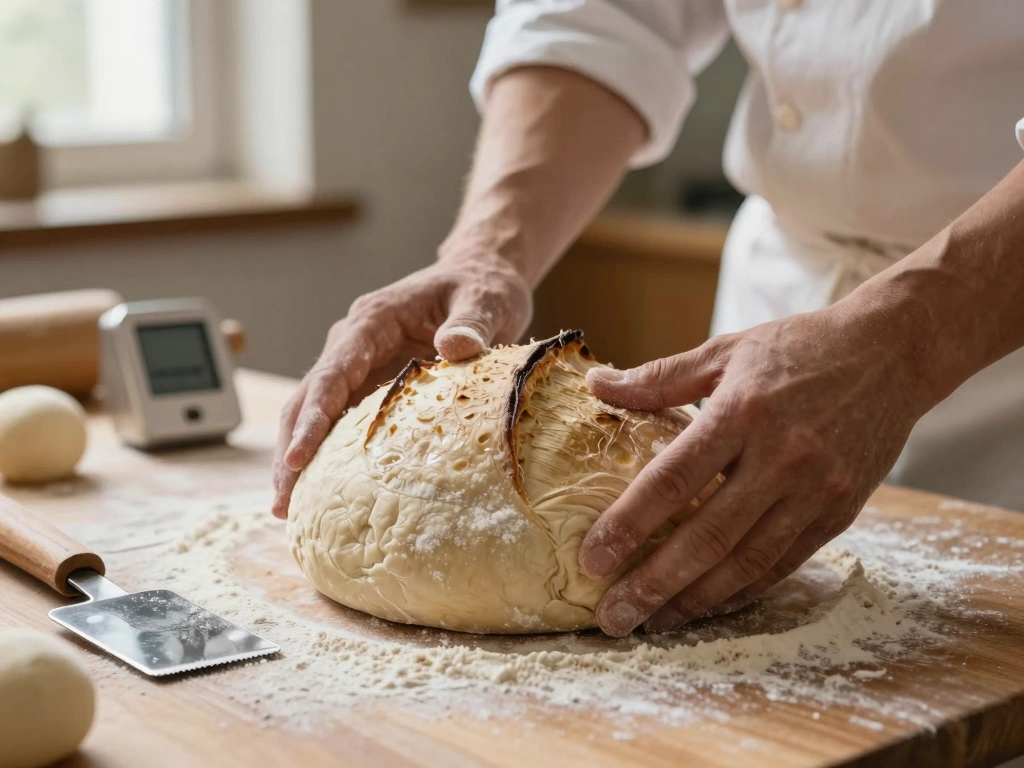
The world of competitive sourdough baking has grown exponentially in recent years, transforming from an informal hobby into a serious competitive endeavor. As bakers hone their skills and experiment with flavors, they also seek validation through competition. This section explores the historical context, key organizations, and the structure of tournaments that define the competitive sourdough landscape.
History of Sourdough Baking Competitions
The roots of sourdough baking extend back thousands of years, but formal competitions began emerging in the late 20th century. Initially, local fairs and community events featured informal baking contests, where home bakers would showcase their skills. The turning point came in the early 2000s, with the rise of artisan bread-making movements, emphasizing the quality and craftsmanship of sourdough.
In 2005, the first dedicated sourdough competition was held at the San Francisco Bread Festival, celebrating the city’s rich sourdough heritage. This event set the precedent for future contests and inspired bakers across the nation to participate. Over the years, competitions have expanded, with events like the “World Sourdoughs” held in various countries, showcasing the best artisan bakers globally.
Key Organizations and Events
Several organizations and festivals have emerged, championing the art of sourdough baking. Notable events include:
- The Great American Bread Festival: Celebrating all types of bread, this festival features a dedicated sourdough category.
- The San Francisco Sourdough Festival: This annual event is a hub for sourdough enthusiasts, with competitions, workshops, and tastings.
- World Sourdoughs: An international competition that brings together bakers from various countries to showcase their best sourdough creations.
These organizations not only host competitions but also provide resources and networking opportunities for bakers looking to elevate their craft.
Regional vs. National Tournaments
Competitive sourdough baking is structured around both regional and national tournaments. Regional competitions often serve as qualifiers for national events, allowing local bakers to gain experience and recognition. These tournaments vary in scale and judging criteria, offering participants a chance to showcase their regional specialties.
National tournaments, such as the “National Sourdough Championship,” tend to have stricter rules and more competitive participants. They typically attract established bakers and require a higher level of skill, including the ability to produce a consistent product across multiple batches.
Essential Techniques for Tournament-Ready Sourdough
To thrive in competitive sourdough baking, bakers must master several key techniques that enhance the quality and presentation of their loaves. This section delves into the essential skills that every competitor should focus on.
Mastering Dough Hydration Levels
Dough hydration is a critical factor influencing the texture and crumb structure of sourdough bread. Most competitive loaves range from 60% to 80% hydration, depending on the desired outcome. Lower hydration results in a denser loaf, while higher hydration creates a more open crumb structure.
Bakers should experiment with hydration levels to find the perfect balance for their recipes. For instance, a 75% hydration dough may yield a lighter, airier loaf, which is often preferred in competitions. It’s crucial to note that higher hydration doughs require advanced handling techniques, including stretch and folds during fermentation to develop gluten strength.
Fermentation and Flavor Development
The fermentation process significantly impacts the flavor profile of sourdough. A well-timed bulk fermentation of 4 to 6 hours at room temperature, followed by a cold retardation of 12 to 24 hours, can enhance the sourness and complexity of the flavor.
In competitive environments, bakers are encouraged to experiment with different fermentation techniques, such as:
- Leavening with wild yeast: Cultivating a robust starter can lead to unique flavors that stand out in competitions.
- Retarding dough: Slowing down fermentation in a refrigerator can develop deeper flavors and improve the crust color.
Shaping Techniques for Visual Appeal
The visual presentation of sourdough is just as important as its taste. Mastering shaping techniques is essential for achieving a well-formed loaf that impresses judges. Techniques such as the “bench rest” and “pre-shaping” are fundamental in creating tension in the dough.
Competitors should practice various shaping styles, including:
- Banneton shaping: Using a proofing basket can help maintain the loaf’s shape and create a beautiful pattern on the crust.
- Scoring techniques: Creative and precise scoring patterns can elevate the visual appeal and enhance oven spring. Bakers can use razor blades or lame for clean cuts.
Judging Criteria in Sourdough Competitions
Understanding judging criteria is crucial for participants aiming for success in sourdough tournaments. Judges evaluate loaves based on several key factors, which can differ slightly between competitions but generally encompass the following aspects.
Aesthetic Qualities of the Loaf
The first impression of a loaf is visual. Judges look for:
- Crust color: A golden-brown crust often signifies a well-baked loaf.
- Shape and height: Uniformity in shape and an impressive rise can significantly influence scores.
- Scoring style: Intricate and well-executed scoring can elevate the visual appeal.
Taste and Texture Evaluation
Taste is paramount in sourdough competitions. Judges assess:
- Flavor complexity: A balance of sourness, sweetness, and nuttiness is desirable.
- Mouthfeel: The crumb should be moist and chewy, with a pleasant texture.
- Aftertaste: A clean, lingering finish is often favored.
Presentation and Packaging Standards
Finally, the way the loaf is presented can impact the final score. Competitors should consider:
- Packaging: Innovative and eco-friendly packaging can enhance the overall presentation.
- Serving suggestions: Including ideas for pairing or serving can demonstrate creativity.
Preparing for Your First Tournament
Entering your first competitive sourdough baking tournament can be both exciting and intimidating. Adequate preparation can help build confidence and improve performance. This section outlines key steps to take when gearing up for your first event.
Selecting the Right Ingredients
The quality of ingredients can make or break a sourdough loaf. Competitors should select the best flour, water, and starter available. Considerations include:
- Flour type: High-protein bread flour (12-14% protein) is ideal for structure, while whole grain flours can add flavor and complexity.
- Water quality: Use filtered water to avoid chlorine, which can inhibit yeast activity.
- Active starter: Ensure your starter is healthy and bubbly before the competition.
Building a Practice Schedule
Consistent practice is vital for refining techniques and building confidence. A practice schedule should include:
- Regular baking sessions: Aim for at least two to three bakes per week leading up to the tournament.
- Focus on specific techniques: Dedicate sessions to mastering hydration levels, shaping, or fermentation.
- Mock competitions: Simulate the tournament environment by timing your bakes and incorporating judging criteria.
Understanding Tournament Rules and Regulations
Before entering any competition, familiarize yourself with the specific rules and regulations. This may include:
- Ingredient restrictions: Ensure compliance with any limitations on ingredients.
- Submission guidelines: Understand how many loaves to submit and in what manner.
- Judging criteria: Review the judging criteria specific to the tournament to tailor your preparation.
Strategies for Success in Sourdough Tournaments
Networking with Fellow Competitors
Building relationships within the baking community can provide invaluable insights and support. Networking with fellow competitors allows bakers to:
- Share tips and techniques: Collaborating with others can lead to learning new methods and improving skills.
- Participate in group practices: Baking with peers can help refine techniques and create a supportive environment.
- Gain feedback: Constructive criticism from peers can enhance your baking and presentation.
Learning from Feedback and Critiques
Competitions often provide feedback from judges, which is a goldmine for growth. Pay attention to critiques, as they can highlight areas for improvement. Consider the following:
- Document feedback: Keep a record of judges’ comments and suggestions for future reference.
- Implement changes: Use feedback to adjust your techniques and recipes for subsequent competitions.
- Seek mentorship: Consider reaching out to experienced bakers for advice based on feedback received.
Experimenting with Unique Flavors and Techniques
To make a lasting impression, bakers should not shy away from experimenting with innovative flavors and techniques. This could involve:
- Incorporating seasonal ingredients: Using fresh herbs or fruits can create unique flavor profiles.
- Playing with sourdough varieties: Experiment with different types of sourdough, such as rye or whole wheat, to showcase versatility.
- Innovative presentation: Consider unique shapes or enhancements, such as adding seeds or toppings, to catch the judges’ eyes.
In conclusion, mastering the art of competitive sourdough baking tournaments requires dedication, practice, and a deep understanding of the craft. By honing essential techniques, understanding judging criteria, preparing meticulously, and embracing creativity, bakers can elevate their skills and compete effectively in this exciting arena. Whether you are a seasoned baker or just starting, the world of competitive sourdough baking offers endless opportunities for growth and enjoyment.